If you’ve ever run your fingers over a t-shirt design, a backpack logo, or a jacket patch, you’ve probably wondered why some feel smooth and flexible while others feel stiff, scratchy, or downright unpleasant. As a sublimation patches supplier who’s been in this business for 12 years, I get this question more than any other: Are sublimation patches soft to the touch? The short answer is: usually, yes—but it depends on three key factors: the base fabric we sublimate onto, the ink and application method we use, and how the patch is trimmed and finished. Let me break this down like I would explain it to a new client who’s trying to pick the right patch for their custom clothing line. Sublimation Patches
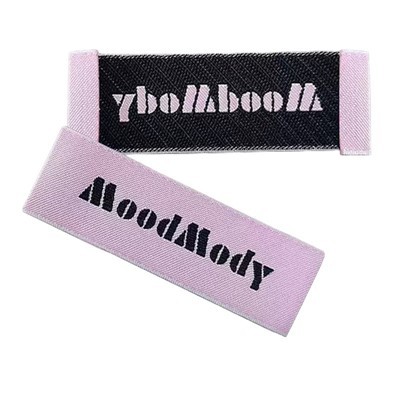
First, let’s clear up what sublimation actually is, because a lot of people mix it up with other printing methods like heat transfer vinyl (HTV) or embroidery. Sublimation is a chemical process where solid ink turns directly into gas when heated (around 380°F to 420°F, depending on the substrate), then bonds permanently with the polymer molecules of a specially coated polyester base fabric. Unlike HTV, which is a plastic film that sits on top of the fabric, or embroidery, which uses thread stitched on top, sublimation ink becomes part of the patch itself. That’s the core reason sublimation patches can be so soft—there’s no thick, rigid layer sitting on the surface to cause scratchiness.
But wait, not all sublimation base fabrics are created equal. If you order a sublimation patch on a thick, rigid polyester (say, a 10 oz woven felt, which is sometimes used for cheap promotional patches), it will feel stiffer than a patch made on a thin, lightweight 4 oz knitted polyester. For most apparel applications—like custom team jerseys, hoodie logos, or small brand patches—we recommend a 4 oz to 6 oz polyester knit base. This fabric has a smooth, stretchy surface that conforms to the curves of a shoulder, a sleeve, or a backpack, so when the ink is embedded into it, you barely notice the patch is there at all. I’ve had customers tell me our small sublimation patches on t-shirts feel like part of the fabric, not an add-on, which is exactly the vibe we aim for.
Another big factor that affects softness is the sublimation application process. If we rush the heat press step—cutting the time short or not reaching the right temperature—the ink won’t fully bond with the polyester. Instead of becoming part of the fabric, it will sit on top, which can make the patch feel slightly rough, even if the base fabric is soft. On the flip side, if we press too long or at too high a temperature, we can burn the base fabric, leading to shrinkage and a stiff, uneven surface. That’s why we test every batch of sublimation patches before they leave our shop: a 10-second feel test, a stretch test, and a color check to make sure the ink is fully bonded. I still remember a time 8 years ago when we got a rush order for 5,000 sublimation patches for a college baseball team. Our newer heat press had a temperature fluctuation issue, so the first 1,000 patches felt scratchy. Instead of sending them out, we reprinted the whole order (at no extra cost to the client) because softness isn’t something we’ll compromise on. That’s the kind of attention to detail that keeps clients coming back.
Now, let’s compare sublimation patches to other popular types to put softness in perspective. Embroidery, for example, is great for durability, but the thread can create a raised, rigid surface that feels scratchy on skin, especially if it’s a small patch or a design with dense stitching. HTV patches are often thick because they’re made of a PVC or polyurethane film, and while some flexible HTV is better than others, it will always sit on top of the fabric, creating a noticeable barrier between the patch and the skin. Sublimation patches, by contrast, are flush with the base fabric—so if you run your hand over a sublimation patch on a hoodie, you can’t feel a difference, only the soft fleece underneath. That’s why they’re so popular for items like baby clothes, where scratchiness is a big no. We even make sublimation patches for custom baby onesies, and every new parent who tests them says their little one doesn’t fuss over the patch at all, which is a huge win.
That said, there are cases where sublimation patches won’t feel as soft, and it’s usually not the sublimation process itself—it’s the design or the finish. For example, if a patch has a very dense, solid color block, that area will have more ink, so it might feel slightly thicker than a tiny detail like a letter. But even then, it’s still way softer than a HTV patch with the same solid color. Another exception: if you’re making a sublimation patch on a woven polyester (not a knit) base, it’s stiffer, as I mentioned earlier. Woven polyester is better for things like name tags on work uniforms, where rigidity is preferred, but for casual apparel, knit is the way to go. We also offer a no-sew option for sublimation patches, where we heat press a flexible adhesive backing to the back of the patch, so it can be ironed or peeled and stick to fabrics. The adhesive is thin, too, so it doesn’t add any stiffness—you still feel the soft base fabric, not a glue layer.
Wait, I should also address a common myth: some people think sublimation only works on white or light-colored fabrics, so a sublimation patch has to be light, which would affect softness. No, that’s a myth about sublimation, not about the softness of the patch. While it’s true that sublimation ink is translucent, so it works best on light bases, we can make sublimation patches on dark bases by using a white underbase, which is also sublimed. The underbase bonds to the dark polyester, so the colors show up bright, and the patch still feels just as soft—because again, no extra layers. We recently did a batch of sublimation patches for a skate brand that wanted dark navy patches with bright orange and yellow logos, and the client said they felt so soft, some of their skaters didn’t even notice they were wearing patches until we pointed them out. That’s exactly the kind of reaction we love.
So, when is a sublimation patch not soft? If we cut corners on the base fabric (using cheap, thick woven instead of thin knit), rush the heat press and get poor ink bonding, or finish the patch with a thick stitching border that sits on top. But as a supplier, we avoid all of that. We source our base fabrics from a US-based manufacturer that makes 100% polyester knit specifically for sublimation—their fabric has a uniform weave that ensures even ink distribution and maximum stretch, which keeps the patch soft. Our heat presses are calibrated daily, and every patch is hand-inspected before packaging to make sure there’s no rough edges, no unbonded ink, and no stiffness from over-pressing. We also offer custom trim options: if a client wants a patch with a clean, no-cut edge (called a “cut edge” finish), that’s just trimming the patch to shape with a sharp blade, so there’s no rigid thread border to cause scratchiness. Alternatively, a heat-cut edge (where we use a heat knife to seal the edges of the polyester) is even smoother, so that’s a popular choice for soft patches.
Let me wrap this up with a real example from a client I worked with last year. A small yoga apparel brand came to us because their previous supplier was sending them sublimation patches that felt scratchy, and their customers were returning the clothes complaining about the patches irritating their skin. We started by asking what base fabric they were using, and it turned out the previous supplier was using a 7 oz woven polyester, not a knit. We recreated their patches on a 5 oz polyester knit, adjusted the heat press time to make sure the ink was fully bonded, and used a heat-cut edge. When they got the first sample, their product manager texted me at 8 a.m. saying, “These feel like they’re part of the yoga pants—our test group of 10 women didn’t notice a single patch, and one said she wears the pants even when she forgets her shirt because they’re so soft.” That’s the difference between cutting corners and focusing on what makes sublimation patches great: softness.

If you’re a brand owner looking for patches that are soft, durable, and consistent, you don’t have to settle for scratchy HTV or rigid embroidery. Sublimation patches can be the perfect solution, as long as you work with a supplier who prioritizes the small details that make a patch soft. We’ve been supplying sublimation patches to small businesses, college teams, and global brands for over a decade, and our number one priority is making sure every patch that leaves our shop feels great to the touch. If you’re ready to discuss your custom project—whether it’s a small batch of 50 patches or a bulk order of 50,000—we’d love to talk through your needs, share samples, and help you get the right sublimation patches for your products.
Patches References
- International Fabrics Association International. (2021). Sublimation Printing Best Practices for Soft, Flexible Textiles.
- Textile Research Journal. (2019). Effect of Base Fabric Structure on Sublimation Patch Hand and Durability.
- Apparel Industry Magazine. (2022). The Rise of Soft Patch Technology in Casual and Active Apparel.
Kaishen Garment Accessory Co., Ltd.
As one of the most professional sublimation patches manufacturers and suppliers in China, we’re featured by quality products and low price. Please rest assured to wholesale bulk cheap sublimation patches from our factory. Contact us for customized service and free sample.
Address: No.1, Yangguang Road, Shanwu Village, Shijie Town, Dongguan City, Guangdong Province
E-mail: patch@shiujan.com
WebSite: https://www.kspatch.com/
