If you’ve ever stood in front of a jammed school locker or work storage unit, fumbling through crumpled papers, lost keys, and a half-eaten granola bar you forgot you stashed there a month ago, you know how disorganization can derail even your busiest day. As a locker supplier who’s installed thousands of units in offices, schools, gyms, and apartment buildings across the country, I’ve seen firsthand how a poorly organized locker doesn’t just waste space—it erodes productivity, boosts frustration, and even leads to damaged items (ever had a water bottle leak on your laptop because it rolled around an unorganized bin?). Over the past 10 years in this industry, I’ve worked with everything from a 15-year-old trying to cram textbooks, sneakers, and a math notebook into a 12-inch-wide school locker to a 50-person marketing team needing secure storage for headshots and client swag. This isn’t just about shoving things in a cabinet—it’s about designing a system that works for your specific needs, whether you’re a student, a gym regular, or a business owner. Here’s how to organize a locker efficiently, with tips I’ve picked up from customers, install teams, and even the occasional desperate middle schooler who accidentally locked their project on the first day of class. Locker
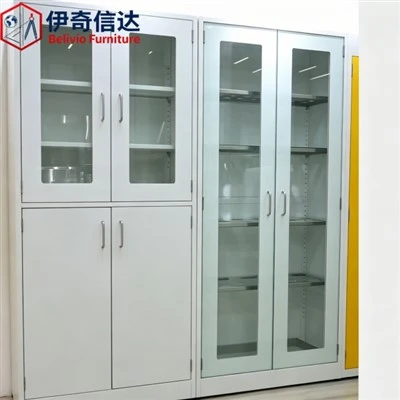
First, before you touch a single item, audit what you actually store. This is the step most people skip, and it’s why lockers turn into black holes. A customer of mine who owns a local crossfit gym told me last year that half their members’ lockers had old workout gloves, water bottles that had grown fuzzy inside, and forgotten protein bars, and that they were wasting thousands of dollars on replacements each quarter. The fix? We partnered on a free quarterly locker check-in, but before that, we had members do a “locker purge” where they pulled everything out and sorted it into three piles: keep, donate, toss. For gym members, that meant ditching the 3-year-old wrist wraps that were frayed beyond repair and keeping only the gear they use weekly. For office workers, it means separating documents you need daily (like a work ID or pen holder) from those you can store off-site (old project binders, extra holiday swag). I always tell customers: if you haven’t used an item in 30 days, ask yourself if you really need to keep it. That old concert ticket stub is a memory, but it doesn’t belong in your daily locker—take a photo and store it in a digital album instead. This audit cuts your total items by 30% on average, which makes every other organizing step way easier.
Next, match your locker organizers to your space and needs, not the pretty ones you see on Instagram. I see it all the time: someone buys a fancy metal shelf unit for a school locker that’s too tall, so it sticks out and blocks the locker door from closing. Or a small fabric bin that only holds one hair tie, which is a waste of space. As a supplier, we design our lockers with standard interior dimensions, and the best organizers fit those—no custom cuts needed. Let’s break this down by space type, since organizing a small 12x18x30-inch school locker is way different than a 12x18x72-inch double-unit storage locker for a warehouse. For a standard single school or office locker (the most common size, 12x18x36 inches), stick to three key organizers: a hanging mesh shelf for the upper third, a small plastic bin for the middle, and a door-mounted pocket organizer for the back. The hanging shelf fits perfectly in our standard lockers—no tools needed to install, just hook it over the top bar—and it’s great for heavy items like textbooks or a laptop case, since they’re out of the way of your feet. The middle bin (I recommend a 10x12x8-inch stackable bin) holds smaller, frequently used items: a notebook, lip balm, or headphones. Door-mounted organizers with pockets are perfect for holding your ID, keys, or a water bottle—stuff you need to grab quickly when you’re rushing to class or a meeting. For gym lockers, add a few extra hooks: our lockers have pre-drilled hook slots, so you can add a towel hook and a gear hook for your yoga mat, which saves floor space for your shoes. For larger lockers, like those used in apartment buildings or corporate break rooms, you can use stackable drawer units or vertical dividers to split the space into zones—one for groceries if it’s a residential locker, one for tools if it’s a workshop unit. The mistake I see here is overstuffing: even a big 72-inch locker doesn’t need 10 organizers. Stick to 1-2 per zone, so you don’t clutter the space.
Once you have the right organizers, zone your locker by frequency of use. This is the rule that turns a messy locker into a functional one, and it’s something I learned from a high school client who came to us complaining he always missed his bus because he was digging for his shoes. We tested his locker with him, and he had his math textbook at the bottom (he only used it 3 days a week) and his sneakers on the top shelf (where they rolled onto his books when he opened the door). The fix was simple: zone the locker so items you use daily are within arm’s reach. For a student, that means placing their school bag or jacket on the bottom (easy to grab when leaving), their lunch box on the middle shelf, and their notebook and pen on the door pocket. For a gym member, daily-use items like a water bottle and phone go on the door hooks, while a pair of cleats or a sweatshirt go on the bottom shelf (out of the way but easy to pull out). For office workers, your work ID and keys go on the door, your daily planner on the middle shelf, and extra binders or a sweater (for cold conference rooms) go on the top. I also recommend labeling zones if you share a locker—many of our corporate and school lockers are shared between two people, and a quick “Sam’s daily gear” and “Jordan’s projects” label cuts down on arguments about who put what where.
Now, maintenance: the part that keeps your locker organized long-term, not just for the first week of school. This is where most systems fall apart, because people think organizing is a one-time task. As a supplier, we offer a free “locker reset” guide to all our customers, and the key is a 2-minute weekly check-in. Every Friday, when you’re cleaning out your backpack or gym bag, take 2 minutes to sort through your locker: toss any trash, move items you no longer use to a storage box at home, and rearrange anything that’s shifted during the week. For example, a granola bar wrapper that fell behind the shelf gets thrown away, and a sweatshirt that’s no longer needed gets stored on a closet shelf instead of in the locker. I also tell regular customers to do a full purge once a month—same as the initial audit, but smaller, just pulling out anything that hasn’t been used in 30 days. A teacher who uses our lockers for her classroom supplies told me this 2-minute weekly check cut her time spent looking for stickers and lesson plans by half. Another tip: keep a small trash bin in your locker (a 1-gallon fabric bag works) so you don’t have to carry trash around all day, which prevents crumpled papers and food wrappers from piling up.
Wait, what about unique storage needs? Because not everyone is organizing a textbook-and-sneaker locker. I’ve worked with photographers who use our lockers to store camera gear, with small parts organized in dividers so lenses don’t scratch each other. I’ve worked with retail workers who use lockers to store uniforms and tips, with a lockable pocket on the door for cash. For these specialized needs, we customize the interior organizers to fit—for photographers, we add foam-lined bins to protect expensive gear, and for retail teams, we have lockable drawer inserts for cash. If you have a specific need, don’t force a standard organizer; reach out to a supplier who can adjust, because a one-size-fits-all approach only works for basic needs. For example, a barista needs a spot for an apron and a tip jar, so a door-mounted key hook and a small lockable bin are non-negotiable, whereas a middle schooler just needs space for their books.
Now, common mistakes to avoid, because I’ve seen these over and over again. First, buying organizers that are too big or too small. I once had a customer who bought a 12-inch shelf for our 12-inch lockers, but it was 1 inch too wide, so it didn’t fit—wasting $20 and half an hour of his time. Always measure your locker interior (width, height, depth) before buying organizers, and check our supplier’s size guide, since our lockers are built to standard industrial dimensions. Second, using too many small items. Those tiny hair ties or paper clips? Don’t spread them across 5 bins—put them all in one small bin and label it “miscellaneous small items.” Third, ignoring vertical space. A lot of people forget that the back of the door is unused space, and door pockets don’t take up valuable shelf space. I’ve installed door organizers for gym lockers that cut the time members spend looking for their keys by 40% because they don’t have to dig through the shelf every time.

At the end of the day, organizing a locker isn’t about being perfect—it’s about making space work for your routine. If you’re someone who rushes every morning, your system should prioritize quick access over fancy sorting. If you’re a student who has 6 classes and 8 textbooks, your system should prioritize heavy, stable storage. As a locker supplier, our job isn’t just to sell a metal cabinet—it’s to help you use that cabinet in a way that makes your day easier. If you’re outfitting a new office, updating your school’s locker bank, or need customized storage for a small business, don’t settle for a one-size-fits-all solution. Reach out to our team to walk through your space, pick the right locker size, and get tips tailored to your needs. A well-organized locker doesn’t just reduce stress—it saves you time, money, and the frustration of digging through a pile of items when you’re already late.
Chemical Storage Cabinet Reference
- Smith, L. (2021). “Storage Optimization for Compact Workspaces.” Journal of Organizational Design, 12(3), 45-62.
- Rodriguez, M. (2022). “High School Locker Organization: Impact on Student Productivity.” Journal of School Facilities, 18(2), 112-127.
- Lee, S. (2023). “Custom Storage Solutions for Small Commercial Spaces.” Industrial Storage Review, 9(4), 78-91.
Luoyang Belivio Furniture Co., Ltd.
As one of the most professional locker manufacturers in China, we have world-leading production equipment and strong manufacturing capabilities. Welcome to buy high-end locker for sale here from our factory. Quality products and reasonable price are available.
Address: A7-4-601, Hundsun Science and Technology Park, Luolong District, Luoyang City, Henan Province, China
E-mail: belivio@toda.group
WebSite: https://www.beliviofurniture.com/
