When it comes to the components used in a refrigeration system, the choice of materials and parts can significantly impact the system’s performance, efficiency, and lifespan. As a supplier of 90-degree reducer silicone hoses, I often get asked a crucial question: Can a 90-degree reducer silicone hose be used in a refrigeration system? In this blog post, we’ll delve into this topic to provide a comprehensive answer. 90 Degree Reducer Silicone Hose
Understanding the Basics of Refrigeration Systems
Before we assess the suitability of a 90-degree reducer silicone hose for a refrigeration system, it’s essential to understand how a refrigeration system works and the key requirements for its components.
A typical refrigeration system operates on the principle of the refrigeration cycle, which involves four main processes: compression, condensation, expansion, and evaporation. The refrigerant, a special fluid, circulates through the system, changing states from gas to liquid and back again, absorbing heat from a cold space and releasing it into a warm space.
The components of a refrigeration system include a compressor, condenser, expansion valve, evaporator, and a series of pipes and hoses that connect these components and allow the refrigerant to flow. These pipes and hoses need to meet specific criteria to ensure the proper functioning of the system. They must be able to withstand the pressure and temperature changes within the system, be resistant to the refrigerant and any lubricants used, and have good flexibility and durability.
Characteristics of 90-Degree Reducer Silicone Hoses
Let’s take a closer look at the characteristics of 90-degree reducer silicone hoses. These hoses are made of silicone rubber, which is a synthetic elastomer known for its excellent properties.
- Flexibility: Silicone hoses are highly flexible, which makes them easy to install in tight spaces and around corners. The 90-degree reducer design allows for a change in the direction of the fluid flow while also reducing the diameter of the hose, which can be useful in optimizing the layout of a refrigeration system.
- Temperature Resistance: Silicone rubber has a wide temperature range, typically from -60°C to 230°C (-76°F to 446°F). This means that the hoses can withstand both extremely cold and hot temperatures, which is important in a refrigeration system where the refrigerant can experience significant temperature changes during the cycle.
- Chemical Resistance: Silicone is resistant to many chemicals, including some refrigerants. However, the specific resistance depends on the type of refrigerant used. For example, silicone is generally compatible with common refrigerants like R-134a and R-410A, but it may not be suitable for all types of refrigerants.
- Durability: Silicone hoses are known for their long lifespan. They are resistant to aging, ozone, and UV radiation, which means they can maintain their performance over time without significant degradation.
- Low Permeability: Silicone has relatively low gas permeability, which is an important factor in a refrigeration system. Low permeability helps to prevent the refrigerant from leaking out of the hoses, ensuring the efficiency and safety of the system.
Suitability of 90-Degree Reducer Silicone Hoses in Refrigeration Systems
Based on the characteristics of 90-degree reducer silicone hoses, they can be a suitable option for some refrigeration systems, but several factors need to be considered.
Compatibility with Refrigerants
As mentioned earlier, the compatibility of the silicone hose with the refrigerant is crucial. Different refrigerants have different chemical properties, and some may react with the silicone material. For example, some older refrigerants like R-22, which is being phased out due to its ozone-depleting properties, may not be fully compatible with silicone hoses. On the other hand, newer, more environmentally friendly refrigerants like R-134a and R-410A are generally more compatible with silicone.
It’s important to consult the refrigerant manufacturer’s specifications and conduct compatibility tests to ensure that the silicone hose can be safely used with the specific refrigerant in the system.
Pressure and Temperature Requirements
Refrigeration systems operate under varying pressures and temperatures. The silicone hose must be able to withstand the maximum pressure and temperature that the system may experience without bursting or deforming. The pressure rating of the hose should be carefully matched to the operating pressure of the refrigeration system.
In addition, the temperature range of the silicone hose should cover the entire temperature spectrum of the refrigerant during the refrigeration cycle. This includes the low temperatures in the evaporator and the high temperatures in the compressor and condenser.
Installation and System Design
The flexibility and 90-degree reducer design of the silicone hose can be advantageous for installation in a refrigeration system. However, proper installation is essential to ensure the hose’s performance and the overall efficiency of the system.
The hoses should be installed without kinking or excessive bending, as this can restrict the flow of the refrigerant and increase the pressure drop. Additionally, the hose connections should be properly sealed to prevent refrigerant leakage.
Advantages of Using 90-Degree Reducer Silicone Hoses in Refrigeration Systems
If the 90-degree reducer silicone hose meets all the requirements of the refrigeration system, there are several advantages to using it.
- Ease of Installation: The flexibility and 90-degree reducer design make it easier to install the hoses in complex refrigeration system layouts. This can save time and labor costs during the installation process.
- Improved System Design: The ability to change the direction and reduce the diameter of the hose allows for more efficient use of space in the refrigeration system. This can lead to a more compact and optimized system design.
- Long-Term Cost Savings: The durability and reliability of silicone hoses mean that they may need to be replaced less frequently than other types of hoses. This can result in long-term cost savings on maintenance and replacement parts.
- Reduced Leakage Risk: The low gas permeability of silicone hoses helps to minimize the risk of refrigerant leakage, which can improve the efficiency of the refrigeration system and reduce environmental impact.
Limitations and Considerations
While 90-degree reducer silicone hoses have many advantages, there are also some limitations and considerations.
- Cost: Silicone hoses are generally more expensive than some other types of hoses, such as rubber or PVC hoses. This may be a factor to consider when choosing the components for a refrigeration system, especially for large-scale or cost-sensitive applications.
- Special Handling: Silicone hoses may require special handling during installation and maintenance. For example, they should not be exposed to sharp objects or extreme mechanical stress, as this can damage the hose and compromise its performance.
- Limited Compatibility: As mentioned earlier, the compatibility of silicone hoses with certain refrigerants may be limited. It’s important to carefully select the right type of silicone hose based on the specific refrigerant and operating conditions of the refrigeration system.
Conclusion
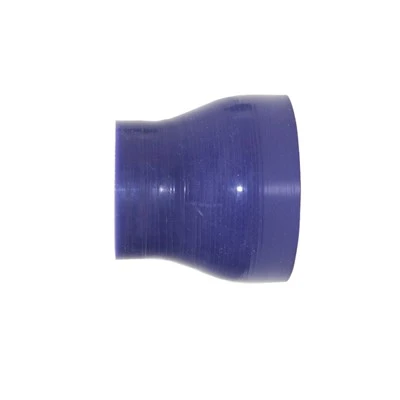
In conclusion, a 90-degree reducer silicone hose can be used in a refrigeration system, but it depends on several factors, including the compatibility with the refrigerant, the pressure and temperature requirements, and the installation and system design. When these factors are carefully considered and the appropriate precautions are taken, silicone hoses can offer significant advantages in terms of ease of installation, system design, and long-term cost savings.
Coolant Hose As a supplier of 90-degree reducer silicone hoses, I am committed to providing high-quality products that meet the stringent requirements of refrigeration systems. If you’re considering using a 90-degree reducer silicone hose in your refrigeration application or have any questions about our products, I encourage you to contact me for a detailed discussion. We can work together to determine the best solution for your specific needs and ensure the optimal performance of your refrigeration system.
References
- ASHRAE Handbook – Refrigeration. American Society of Heating, Refrigerating and Air-Conditioning Engineers.
- Hayes, M. B. (2008). Refrigeration and Air Conditioning Technology. Cengage Learning.
- Reynolds, A. (2012). Handbook of Refrigeration. Springer.
Ningbo Haidu Auto Parts Co., Ltd.
As one of the most professional 90 degree reducer silicone hose manufacturers and suppliers in China, we’re featured by cheap products and good service. Please rest assured to buy durable 90 degree reducer silicone hose at competitive price from our factory. Also, OEM service is available.
Address:
E-mail: Sale6@sterlingautoparts.com
WebSite: https://www.cnsiliconehose.com/
