A large cross-section modular energy-saving tunnel kiln is a revolutionary piece of equipment in the field of industrial firing. As a supplier in this industry, I have seen firsthand the significance of these kilns in improving efficiency, reducing energy consumption, and enhancing product quality. In this blog, I will delve into the key components of such a kiln and explain why they are crucial for its optimal performance. Large Cross Section Modular Energy Saving Tunnel Kiln
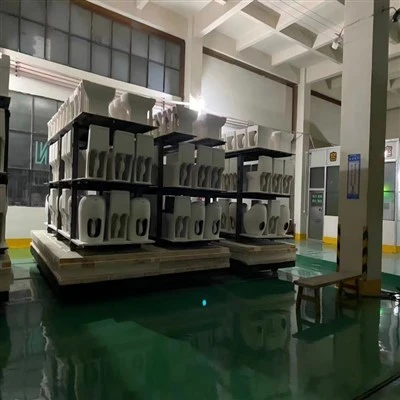
1. Kiln Body Structure
The kiln body is the outer shell that encloses all the internal components of the tunnel kiln. It is designed to withstand high temperatures and maintain a stable internal environment. The choice of materials for the kiln body is of utmost importance. High-quality refractory bricks are commonly used due to their excellent heat resistance and insulation properties. These bricks can effectively reduce heat loss, which is essential for energy conservation.
The modular design of the kiln body is another significant feature. Modular construction allows for easier installation, transportation, and maintenance. Each module can be pre-fabricated in the factory, ensuring high precision and quality control. Additionally, if any part of the kiln body needs to be repaired or replaced, it can be easily removed and a new module installed, minimizing downtime.
In a large cross-section kiln, the structural integrity is also crucial. The kiln body must be able to support the weight of the products being fired and withstand the thermal expansion and contraction that occurs during the firing process. Reinforced steel structures are often incorporated to provide additional strength and stability.
2. Heating System
The heating system is responsible for raising the temperature inside the kiln to the required level for firing the products. There are several types of heating systems that can be used in a tunnel kiln, including gas heating, electric heating, and oil heating.
Gas heating is one of the most commonly used methods due to its high efficiency and relatively low cost. Natural gas or liquefied petroleum gas (LPG) can be used as fuel. The gas is burned in burners located along the length of the kiln, and the hot gases are circulated to heat the products. The burners are designed to provide a uniform distribution of heat, ensuring consistent firing results.
Electric heating is another option, especially for small-scale or laboratory tunnel kilns. Electric heating elements are installed inside the kiln, and they generate heat when an electric current passes through them. Electric heating offers precise temperature control, which is beneficial for firing products that require a specific temperature profile.
The heating system also includes a temperature control device. This device monitors the temperature inside the kiln and adjusts the fuel supply or electric power accordingly to maintain the desired temperature. Advanced temperature control systems can use sensors and feedback loops to ensure accurate and stable temperature regulation.
3. Ventilation System
The ventilation system plays a vital role in the operation of a tunnel kiln. It is responsible for removing the combustion products, such as carbon dioxide, water vapor, and other pollutants, from the kiln and supplying fresh air for combustion.
The ventilation system consists of fans, ducts, and dampers. The fans create a pressure difference that forces the air to flow through the kiln. The ducts are used to direct the air flow, and the dampers can be adjusted to control the amount of air entering or leaving the kiln.
Proper ventilation is essential for several reasons. Firstly, it ensures complete combustion of the fuel, which improves energy efficiency and reduces emissions. Secondly, it helps to maintain a stable temperature distribution inside the kiln by removing the hot gases and replacing them with fresh air. Thirdly, it prevents the accumulation of harmful gases, which can be dangerous to the operators and damage the products.
In addition to the main ventilation system, some tunnel kilns may also be equipped with a preheating ventilation system. This system uses the hot exhaust gases from the kiln to preheat the incoming fresh air, further improving energy efficiency.
4. Conveyor System
The conveyor system is used to transport the products through the tunnel kiln. It is an important component that affects the productivity and quality of the firing process.
There are different types of conveyor systems available, including roller conveyors, belt conveyors, and pusher conveyors. Roller conveyors are commonly used in large cross-section tunnel kilns. They consist of a series of rollers that rotate to move the products along the kiln. Roller conveyors are suitable for heavy and large products and can provide a smooth and stable transportation.
Belt conveyors use a continuous belt to transport the products. They are more flexible and can be used for products of different shapes and sizes. However, they may not be as suitable for high-temperature environments as roller conveyors.
Pusher conveyors are used to push the products through the kiln in a step-by-step manner. They are often used in kilns with a small cross-section or for products that require a slow and controlled movement.
The conveyor system must be designed to withstand the high temperatures inside the kiln. Heat-resistant materials, such as ceramic or stainless steel, are commonly used for the rollers or belts. The speed of the conveyor system can also be adjusted to control the residence time of the products in the kiln, which is important for achieving the desired firing results.
5. Control System
The control system is the brain of the large cross-section modular energy-saving tunnel kiln. It is responsible for monitoring and controlling all the parameters of the kiln, such as temperature, pressure, ventilation, and conveyor speed.
A modern control system usually consists of a programmable logic controller (PLC) and a human-machine interface (HMI). The PLC is a digital computer that can be programmed to perform specific control functions. It receives input signals from various sensors, such as temperature sensors, pressure sensors, and flow sensors, and sends output signals to control the actuators, such as burners, fans, and dampers.
The HMI is a graphical user interface that allows the operators to monitor and operate the kiln. It provides real-time information about the kiln parameters, such as temperature profiles, pressure levels, and energy consumption. The operators can also use the HMI to set the desired parameters, start or stop the kiln, and adjust the control strategies.
The control system can also be equipped with a data logging and analysis function. This function allows the operators to record the kiln operating data over a period of time and analyze it to identify trends, optimize the firing process, and troubleshoot problems.
6. Insulation Material
Insulation materials are used to reduce heat loss from the kiln body and improve energy efficiency. They are installed on the inner and outer surfaces of the kiln body to provide a thermal barrier.
There are many types of insulation materials available, including ceramic fiber, rock wool, and vermiculite. Ceramic fiber is one of the most commonly used insulation materials due to its excellent heat resistance and low thermal conductivity. It can withstand high temperatures up to 1200°C or even higher and effectively reduce heat transfer.
Rock wool is another popular insulation material. It is made from natural basalt or diabase rocks and has good insulation properties. Rock wool is also fire-resistant and can provide a certain degree of sound insulation.
Vermiculite is a lightweight insulation material that is often used in combination with other insulation materials. It has a high porosity and can trap a large amount of air, which helps to reduce heat conduction.
The choice of insulation material depends on the specific requirements of the kiln, such as the temperature range, the operating environment, and the cost. The insulation material must be installed properly to ensure its effectiveness.
Conclusion
In conclusion, a large cross-section modular energy-saving tunnel kiln is a complex and sophisticated piece of equipment that consists of several key components. Each component plays a crucial role in the performance of the kiln, from providing a stable structure and heating the products to ensuring proper ventilation and transportation.
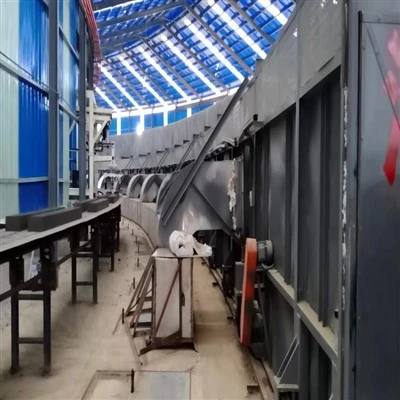
As a supplier of large cross-section modular energy-saving tunnel kilns, I understand the importance of these components and strive to provide high-quality products that meet the needs of our customers. We use the latest technologies and materials in the design and manufacturing of our kilns to ensure their efficiency, reliability, and durability.
Circular Tunnel Kiln If you are interested in purchasing a large cross-section modular energy-saving tunnel kiln, or if you have any questions about our products, please feel free to contact us for a detailed discussion. We are committed to providing you with the best solutions and support in your industrial firing process.
References
- Smith, J. (2018). The Principles of Tunnel Kiln Design and Operation. Industrial Furnace Journal.
- Brown, A. (2019). Energy Efficiency in Industrial Kilns. Energy Conservation Magazine.
- Johnson, R. (2020). Advances in Kiln Control Systems. Automation Technology Review.
Henan Yaxin Kiln Co., Ltd.
Henan Yaxin Kiln Co., Ltd. is one of the most professional large cross section modular energy saving tunnel kiln manufacturers and suppliers in China. With abundant experience, we warmly welcome you to buy high quality large cross section modular energy saving tunnel kiln with the latest design from our factory. Good service and punctual delivery are available.
Address: Jixian Industrial Zone, Shangqiu City, Henan Province
E-mail: 1543563178@qq.com
WebSite: https://www.hnyxkiln.com/
