As a supplier of flotation machines, one of the most frequently asked questions from our clients is about the service life of these machines. Understanding the service life of a flotation machine is crucial for businesses in the mining and mineral processing industries, as it directly affects operational efficiency, cost – effectiveness, and long – term planning. In this blog post, I will delve into the factors that influence the service life of a flotation machine and provide some insights on how to extend it. Flotation Machine
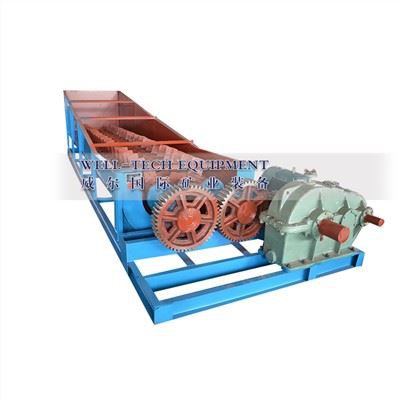
Factors Affecting the Service Life of Flotation Machines
1. Quality of Manufacturing
The quality of materials and the precision of manufacturing processes play a fundamental role in determining the service life of a flotation machine. High – quality materials, such as corrosion – resistant alloys for the tank and wear – resistant components for the impeller and stator, can withstand the harsh operating conditions in mining applications. For example, if the tank is made of low – grade steel, it is more likely to corrode when exposed to acidic or alkaline slurries, which are common in mineral processing.
At our company, we use only the finest raw materials and state – of – the – art manufacturing techniques. Our flotation machines are built with precision – engineered components that are designed to fit together perfectly, reducing friction and wear. The impellers are made from high – strength, wear – resistant polymers or metals, which can endure the high – speed rotation and the abrasive nature of the slurry.
2. Operating Conditions
The operating conditions of a flotation machine have a significant impact on its service life. Factors such as the type of ore being processed, the pH level of the slurry, the temperature, and the presence of abrasive particles all contribute to the wear and tear of the machine.
- Type of Ore: Different ores have different hardness and chemical properties. For instance, processing hard ores like quartz or granite will cause more wear on the impeller and stator compared to softer ores. The sharp edges and high hardness of these ores can abrade the surfaces of the components over time.
- pH Level: The pH level of the slurry can also affect the corrosiveness. Acidic or highly alkaline slurries can corrode the metal parts of the flotation machine. For example, in copper flotation, the use of acidic reagents can lead to the corrosion of the tank and other metal components if they are not properly protected.
- Temperature: High – temperature operations can cause thermal expansion and contraction of the materials, leading to fatigue and cracking over time. In some cases, elevated temperatures can also accelerate the chemical reactions between the slurry and the machine components, causing corrosion.
- Abrasive Particles: The presence of abrasive particles in the slurry can cause significant wear on the moving parts of the flotation machine. These particles can act like sandpaper, gradually wearing down the surfaces of the impeller, stator, and other components.
3. Maintenance and Care
Proper maintenance and care are essential for extending the service life of a flotation machine. Regular inspection, lubrication, and replacement of worn – out parts can prevent minor issues from turning into major problems.
- Inspection: Regular inspections should be carried out to check for signs of wear, corrosion, and damage. This includes inspecting the impeller, stator, tank, motor, and other components. By identifying problems early, they can be addressed before they cause significant damage to the machine.
- Lubrication: The moving parts of the flotation machine, such as the bearings and shaft seals, need to be properly lubricated. Lubrication reduces friction, prevents wear, and helps to dissipate heat. Using the correct type of lubricant and ensuring that it is applied at the recommended intervals is crucial.
- Replacement of Worn – out Parts: Over time, certain parts of the flotation machine will wear out and need to be replaced. This includes the impeller, stator, seals, and bearings. Using genuine replacement parts that are designed specifically for the flotation machine model can help to maintain its performance and extend its service life.
Typical Service Life of Flotation Machines
Under normal operating conditions and with proper maintenance, a well – manufactured flotation machine can have a service life of 10 to 20 years. However, this is just an average estimate, and the actual service life can vary depending on the factors mentioned above.
For example, if a flotation machine is used to process highly abrasive ores in harsh operating conditions and is not properly maintained, its service life may be significantly shorter, perhaps only 5 to 10 years. On the other hand, if the machine is used in a relatively mild environment, with high – quality manufacturing and regular maintenance, it could potentially last for 20 years or more.
Strategies to Extend the Service Life of Flotation Machines
1. Optimize Operating Conditions
- Control the Slurry Properties: By carefully controlling the pH, temperature, and particle size of the slurry, the wear and corrosion of the flotation machine can be reduced. For example, adjusting the pH to a more neutral range can minimize the corrosive effects on the metal components.
- Reduce Abrasives: Using pre – treatment methods, such as screening or grinding, to remove large and abrasive particles from the slurry before it enters the flotation machine can significantly reduce wear on the components.
2. Implement a Comprehensive Maintenance Program
- Scheduled Maintenance: Develop a detailed maintenance schedule that includes regular inspections, lubrication, and replacement of parts. This schedule should be based on the manufacturer’s recommendations and the actual operating conditions of the machine.
- Training for Operators: Provide training for the operators on how to properly operate and maintain the flotation machine. Well – trained operators are more likely to notice early signs of problems and take appropriate action.
3. Upgrade and Retrofit
As technology advances, it may be beneficial to upgrade or retrofit the flotation machine. Upgrading the impeller or stator design, for example, can improve the machine’s efficiency and reduce wear. Adding anti – corrosion coatings to the tank and other components can also extend their service life.
In conclusion, the service life of a flotation machine is influenced by a variety of factors, including manufacturing quality, operating conditions, and maintenance. By understanding these factors and taking appropriate measures to optimize them, businesses can extend the service life of their flotation machines, reduce operating costs, and improve overall productivity.

If you are in the market for a high – quality flotation machine or have questions about extending the service life of your existing equipment, we are here to help. Our team of experts can provide you with detailed information and customized solutions to meet your specific needs. Contact us to start a discussion about your flotation machine requirements and explore how we can support your business.
Electrostatic Separator References:
- Singh, R. P., & Rao, K. H. (Eds.). (2006). Handbook of Mineral Dressing: Ore, Coal, and Industrial Minerals. McGraw – Hill.
- Wills, B. A., & Napier – Munn, T. (2006). Wills’ Mineral Processing Technology: An Introduction to the Practical Aspects of Ore Treatment and Mineral Recovery. Elsevier.
Jiangxi Well-tech International Mining Equipment Co., Ltd.
Jiangxi Well-tech International Mining Equipment Co., Ltd. is one of the most professional flotation machine manufacturers and suppliers in China, featured by quality products and good service. Please rest assured to wholesale customized flotation machine at competitive price from our factory.
Address: Guzhang Industrial Park of Shicheng County, Ganzhou City, Jiangxi Province, China
E-mail: mily@benefication.com
WebSite: https://www.cn-welltech.com/
