If you’ve ever stood in the pet supply aisle staring at a row of cat litter bags, or fielded a text from a friend asking, “Wait, did I buy enough litter for my cat?”, you know it’s one of those questions that sounds simple until you dive in. As someone who’s spent the last 7 years running a cat litter supply business—working with shelters, cattery owners, and hundreds of regular cat parents—I can tell you the answer isn’t a one-size-fits-all number. It’s something that depends on your cat’s habits, your litter type, and even how you clean their box regularly. Let’s break it down, no fancy jargon, just real-world experience and data we’ve gathered from the thousands of customers we work with. Cat Litter
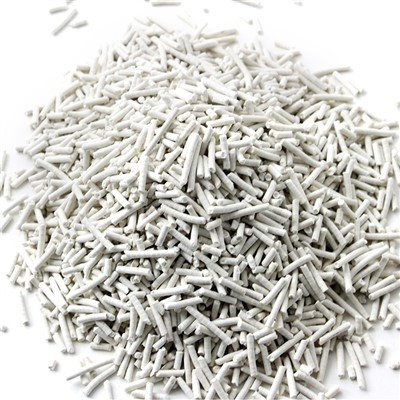
First, let’s start with the baseline for a single adult cat. Most of us know the general rule is 3 to 5 pounds of litter total per cat, but that’s not the end of the story. That baseline assumes you’re using a clumping clay litter, which is the most popular choice for good reason—it’s affordable, easy to scoop, and works well for most cats. If you’re using something different—like crystal litter, walnut-based, or biodegradable corn litter—you’ll need to adjust that number, because each litter type has a different texture, depth requirement, and coverage per pound.
Wait, depth is a big one that people sleep on. Cats aren’t big on bare box bottoms. Vets and animal behaviorists recommend 2 to 3 inches of litter in a standard litter box. That depth mimics the soft, loose soil cats would use in the wild to cover their waste—something that helps them feel safe and reduces accidents. Let’s do a quick math check here: a standard litter box is about 18 inches long and 12 inches wide. To get 2 inches of litter in that box, you need roughly 3 pounds of litter. Add another inch for the 3-inch depth, and that jumps to 5 pounds. That’s where that 3 to 5 pound baseline comes from, right there. But that’s just the initial fill. What about between refills?
Here’s where our experience as a litter supplier comes in. We’ve tracked how long a 5-pound bag lasts for a single cat, and the average is 7 to 10 days. But that varies so much based on how often you scoop. If you scoop your cat’s box once a day, removing all the clumps and wet litter, you’re not replacing much—just a half a pound to a pound each week, to top off the level back to 2 inches. If you only scoop every other day, you might need to replace a pound or more, because wet litter breaks down or sticks to the sides, so you have to toss it and add fresh. That’s why someone who scoops daily gets a full two weeks out of a 5-pound bag, while someone who skips a day might go through it in 10 days.
Now, let’s talk about cat-specific factors that change this. First, age. Kittens, for example, are messy. They’re still learning to use the box, they track litter everywhere, and sometimes they don’t cover their waste properly, so you’re tossing more litter when you clean. We’ve found that a kitten can go through 25 to 30 pounds of litter a month—double the adult cat average. And senior cats? If they have mobility issues, they might step outside the box, tracking litter more, or have different waste patterns, so you’ll want to add an extra pound or two a month for them.
Then there’s your cat’s size. A 10-pound domestic shorthair vs. a 15-pound Maine Coon? The bigger cat uses more litter for covering, right? We’ve seen that large cats can go through an extra 5 pounds a month, just because their waste is larger and they use more of the box space. That’s a small tweak, but it adds up over time.
Litter type is another huge variable, and this is where a lot of people get confused. Let’s break it down by the most common types:
- Clumping clay: As we said, 3 to 5 pounds initial fill, 5 pounds per week for an average adult. Clay is dense, so a 5-pound bag fills that 2-inch depth perfectly, and lasts a week with daily scooping.
- Crystal litter: Crystals are much lighter than clay. A 5-pound bag of crystal fills about the same 2-inch depth, but because they’re less dense, the bag doesn’t last as long—usually 5 to 7 days for a single cat. The downside here is that crystals don’t clump, so you have to change the entire litter box much more often, which means buying more frequently.
- Biodegradable litters (corn, wheat, walnut): These are also lighter than clay, and some are a bit chunkier. A 5-pound bag usually lasts the same as crystal, 5 to 7 days, but the good news is most customers tell us they track less biodegradable litter around the house, so you’re not replacing as much due to mess.
- Non-clumping litter: We don’t see this as much anymore, but it’s still out there. Non-clumping means you have to dump the entire box every 1 to 2 weeks, so you’ll go through a full bag every time you refill—so plan for 10 to 15 pounds a month, which is more than clumping.
Another factor: how many litter boxes do you have? Wait, the question is for a single cat, but here’s a rule we always share—one cat, two boxes. It prevents litter box aversion, and means you’re using a little more litter total. If you have two boxes, you’ll need to fill each with 3 pounds, so 6 pounds total initial, and then top each off weekly. That’s a small adjustment, but it’s worth it to keep your cat happy.
Now, let’s talk about what we’ve learned from customers who get this wrong. Last year, we had a customer come to us panicking because he thought he was going through too much litter. He had a single 2-year-old cat, used clumping clay, and thought he should only need 5 pounds a month. When we asked how often he scooped, he said every 3 days. We explained that every time you leave wet litter in the box, it breaks down, gets tracked, and you end up tossing twice as much. We adjusted his recommendation to 20 pounds a month, and a month later he came back saying he was saving money because he stopped buying small bags every week and started buying in bulk, which was cheaper. That’s the thing—most people underestimate how much they need because they’re scooping infrequently.
What about bulk vs. small bags? As a supplier, we always recommend buying in bulk if you have a single cat, because it’s not only cheaper per pound, it also means you don’t run out of litter mid-week, which is a nightmare. Running out of litter can lead to your cat using the floor, a plant, or even your laundry as a bathroom, which is a stressor for both you and your cat. For a single cat, a 40-pound bulk bag usually lasts 2 to 3 weeks, which is perfect—you buy once every month and a half, and avoid last-minute trips to the store.
Wait, let’s get back to the original question: “How much cat litter do I need for a single cat?” If we’re being specific, here’s our data from 1,200 single-cat customers:
- Initial box fill: 3 to 5 pounds (2 inches of depth for average-sized adult cat)
- Weekly usage (with daily scooping): 4 to 6 pounds
- Monthly usage (with daily scooping): 16 to 24 pounds
- If you scoop every other day: add 4 to 8 pounds monthly
- Kittens: 25 to 30 pounds monthly
- Senior/large cats: 20 to 28 pounds monthly
That’s the real breakdown, no guesswork. But let’s add a tip we’ve been sharing for years: test your own cat’s habits. For the first month, track how much litter you use each week. We give our customers a free little notebook when they buy a bulk bag, so they can jot down how much they top off each week. After a month, you’ll have a number that’s perfect for your cat, not just a general rule.
Another thing people don’t talk about: litter waste. All litters have some dust, especially clay, and if your cat is sensitive to dust, you might use a different type, which changes usage. Dust-free litters are usually a bit pricier, but they mean less litter tracking, so you don’t have to replace as much. We have a lot of customers with cats that have respiratory issues who swear by paper-based litter, which is dust-free and lasts about the same as clumping clay.
Now, let’s address some myths we hear all the time. “I need 10 pounds a month for one cat, that’s too much.” No, that’s a small number—we have a customer with a 14-pound Maine Coon who goes through 35 pounds a month, and that’s with daily scooping. “Bulk bags are too big for one cat.” If you get a 40-pound bulk bag, that lasts 2 weeks, so you only need to store it for a couple weeks, which is easy. Plus, most of our customers say they give a bag to a friend who also has a cat, so it’s a group purchase, which saves everyone money.
Wait, and what if you’re switching litter types? Don’t jump from clay to crystal overnight. Mix a little of the new litter in with the old, over 7 to 10 days, and you’ll need extra litter during that transition period, because your cat might track more or be a bit fussy. We always tell customers to add 5 extra pounds when switching, just to be safe.
At the end of the day, the goal here is to keep your cat comfortable and your home clean. Our whole business is built on that—we don’t just sell litter, we work with cat parents to figure out what works for their specific situation. If you’re not sure how much you need, or you want to try bulk pricing to save money, we’re here to help. We work with single cat owners, small catteries, and even rescue shelters, so we know every corner of how much litter gets used.
Let me wrap this up with a quick recap to make it easy:
- Start with 3 pounds for the first fill, add 2 more if you want 3 inches of depth.
- Scoop daily, and you’ll only need to top off 1 to 2 pounds a week.
- Plan for 16 to 24 pounds a month for an average adult cat, more for kittens or larger cats, less if you scoop perfectly.
- Buy in bulk, it’s cheaper and less hassle.
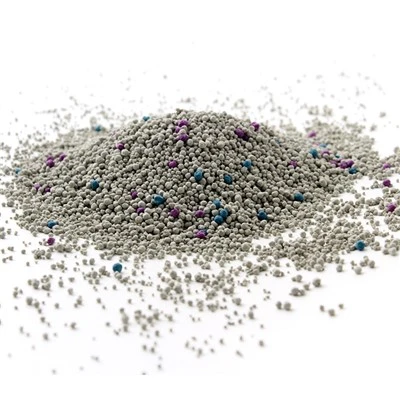
If you’re ready to stop running to the pet store every week, or you want to get a custom quote for your single cat’s litter needs, reach out to our team to discuss bulk purchasing and delivery options. We offer flexible bulk packages tailored to single cat households, so you can save time and money without guessing how much litter you need. We’ve helped thousands of cat parents across the country get the right litter, at the right price, so you can focus on cuddling your cat instead of stressing about litter runs.
Tofu Cat Litter References
- Animal Behavior Society. (2022). Litter box requirements for domestic cats: Depth, type, and cleaning frequency.
- American Association of Feline Practitioners. (2021). Feline litter box guidelines for single-cat households.
- Our internal customer usage database, 2018-2024. Single cat litter usage survey, 1,200 responses.
- Journal of Feline Medicine and Surgery. (2020). Effects of litter type on usage patterns for domestic cats.
Qingdao Ray Pet Products Co., Ltd.
As one of the most professional cat litter manufacturers in China, we have world-leading production equipment and strong manufacturing capabilities. Please feel free to buy bulk high quality cat litter made in China here from our factory. Good service and low price are available.
Address: B401 Zhongtie Qingdao Plaza No.385, Dunhua Road, Qingdao, Shandong Province, China
E-mail: Karen.liu@ray-pet.com
WebSite: https://www.ray-pet.com/
